Council tax is rarely complicated on paper — but in real life, it catches people out all the time. A missed cut-off, the wrong reference number, a move that wasn’t reported quickly enough. Small details, big consequences.
In 2026, those details matter more than they used to. England has introduced a new surcharge for high-value homes. Wales has reshaped how discounts and support work. More councils are pushing residents into online-only systems. And payment timing — not just payment itself — is now a common source of disputes.
This guide explains how council tax pay works in 2026, how to pay safely, what you need before you start, and the changes that may affect your bill this year. It’s written to be practical, not procedural.
All policies referenced are based on local council and UK government publications. Always check your council’s website for the most up-to-date details, as rules and processes can vary.
What Council Tax Is — and Who Actually Has to Pay It
Council tax is charged by your local authority, not by a national body. The money stays local and pays for services such as rubbish collection, adult social care, policing, fire services, and local transport.
Liability isn’t as simple as “who lives there.” It follows a legal order. In most cases, it’s the resident owner or tenant. In some properties — particularly houses in multiple occupation — the landlord becomes responsible instead.
The takeaway is straightforward:
Council tax is property-based, but legal responsibility isn’t always obvious.
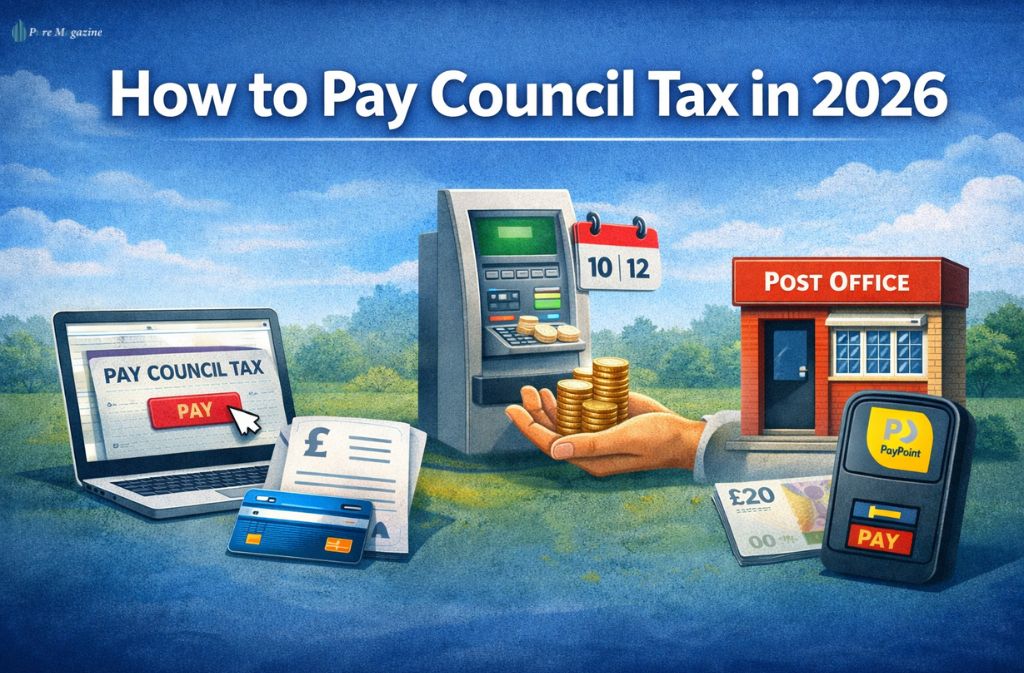
How to Pay Council Tax in 2026 (All Methods Explained)
Every council runs its own system, but the payment options are broadly consistent across the UK.
Paying Council Tax Online
Online payment is now the default for most households.
You’ll normally need:
- Your council tax account or reference number
- A debit or credit card
Online payments are usually recorded instantly, which matters if you’re paying close to a deadline.
Paying by Direct Debit
Direct Debit remains the safest option for most people.
Why councils favour it:
- Payments are automatic
- Instalment plans stay active
- Fewer missed payments overall
Most councils still issue bills over 10 months (April to January). In 2026, many residents are requesting a 12-month plan to reduce monthly costs. This is usually done via an online form or a short email request.
It’s not automatic. You have to ask.
Bank Transfer and Standing Orders (Timing Matters)
You can pay council tax by bank transfer or standing order, but this is where timing catches people out.
Important nuances:
- Some councils apply cut-off times for same-day receipt
- Payments made late in the day may not be credited until the next working day
- A payment sent on the due date can still be treated as late if it arrives after the cut-off
Always allow a buffer of at least one working day, especially near instalment deadlines.
And always include your reference number. Payments without it often end up in suspense accounts.
Paying at the Post Office or PayPoint
Some councils still allow in-person payments, though availability varies.
Typical limits:
- PayPoint: usually up to £200 cash
- Post Office: often up to £999.99 per transaction (cash or card)
Larger bills may need to be split across multiple transactions. Not all councils support these options, so check first.
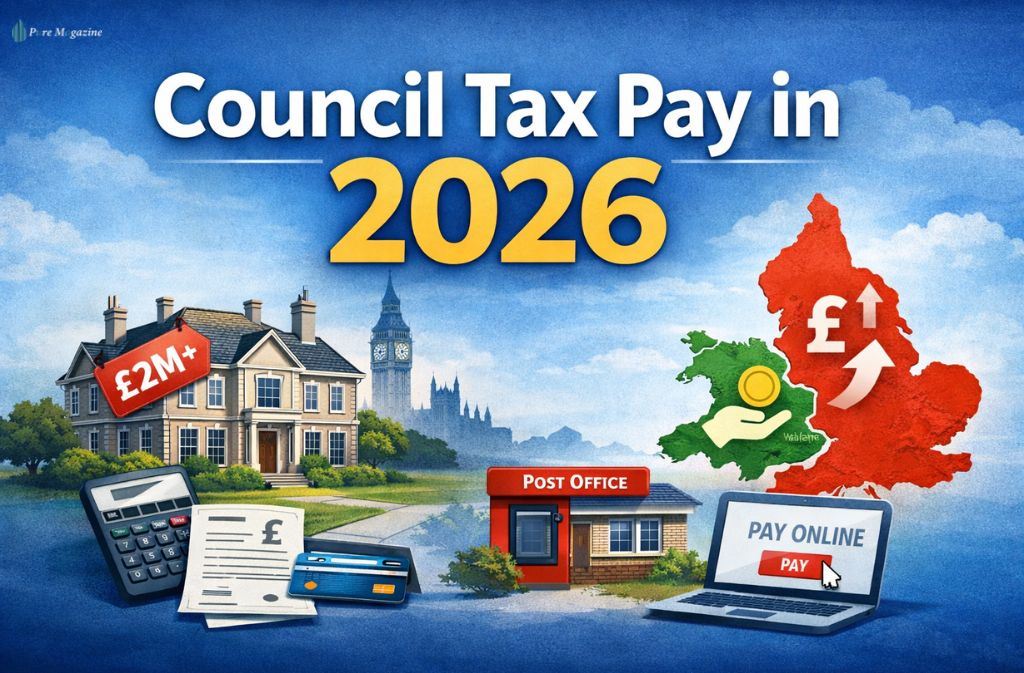
New for 2026: High-Value Council Tax Surcharge (England)
From early 2026, England has introduced a High-Value Council Tax Surcharge affecting certain properties.
Who it applies to
- Residential properties valued over £2 million
- England only
What changes
- An additional annual charge of £2,500 to £7,500
- Collected alongside the council tax
- Shown as a separate line on the bill
Key distinction
Although your council collects it, the surcharge goes to the Treasury, not to local services. This is why some high-value bills have increased sharply despite no local service changes.
Targeted revaluations are part of the rollout, particularly for properties near the threshold.
Wales: Council Tax Changes from April 2026
Wales moves onto a new footing in April 2026 following the full implementation of the Local Government Finance (Wales) Act 2024.
What’s different:
- Discounts, exemptions, and disregards are consolidated into a single system
- Support schemes are designed to be clearer and more generous for low-income households
- Bills are structured differently, with support shown more transparently
For Welsh residents, this is the biggest practical change to council tax in years.
Also Read: Council Tax Band B Explained (2026): Costs, Monthly Payments & What It Means
Finding Your Council Tax Account Number
Your reference number is what links your payment to your property.
You’ll find it:
- On your council tax bill
- On reminder or adjustment letters
- Inside your online council tax account
If you’ve lost your bill, you can still pay. Log in to your council’s website or contact them directly.
Losing a bill does not remove liability.
Common Council Tax Payment Mistakes
The same problems come up again and again:
- Paying the wrong council after moving
- Missing a payment and losing instalment rights
- Assuming student status always means exemption
- Paying without a reference number
- Sending bank transfers too close to cut-off times
Most enforcement cases start with something small that was never corrected.
2026 Warning: Council Tax Refund Scams
With revaluations and high-value surcharges in the news, refund scams have increased in 2026.
Common tactics include:
- Emails claiming you’re in the wrong band
- Texts saying you’re “owed a council tax refund.”
- Links asking for bank details to “process payment.”
Important:
Neither HMRC nor your local council will ask for your bank details by text or email to issue a council tax refund.
If you’re owed money, it’s usually credited automatically or handled through your official council account.
What Happens If You Miss a Payment
Most councils follow a similar process:
- Reminder notice issued
- Instalment plan withdrawn
- Full balance requested
- Court action if unresolved
Contacting the council early often prevents escalation. Ignoring letters rarely does.
Also Read: Birmingham Council Tax: The 2026 Guide Every Resident Needs
Quick Payment Decision Guide
| Situation | Best option |
|---|---|
| Want minimal admin | Direct Debit |
| Paying once | Online card payment |
| Tight monthly budget | 12-month Direct Debit |
| No internet | Post Office |
| Full control | Standing Order |
Council Tax Pay Checklist (2026)
- Correct council confirmed
- Reference number checked
- Payment timing allowed for
- Instalment schedule understood
- Move-in or move-out reported
FAQs
Q1. How do I pay council tax in 2026?
You can pay council tax through your local council using several methods: online, by Direct Debit, bank transfer, or in person at a Post Office or PayPoint (if your council supports it). Always include your council tax reference number to ensure the payment is correctly applied.
Q2. Can I pay my council tax online?
Yes. Most councils offer secure online payment portals where you can pay one-off or recurring amounts. You’ll need your council tax account or reference number. Online payments are recorded immediately, making them a fast and reliable option.
Q3. Do students have to pay council tax?
Only households where all occupants are full-time students are fully exempt from council tax. If even one resident is not a full-time student, the property may still be liable. Part-time students or mixed households are not automatically exempt.
Q4. Do pensioners pay council tax?
Yes. Pensioners are generally liable for council tax, though some may qualify for discounts or council tax reduction schemes depending on income, savings, or local authority policies.
Q5. What is the High-Value Council Tax Surcharge in 2026?
The High-Value Council Tax Surcharge applies in England to properties valued over £2 million. It is collected alongside your standard council tax but is paid to the Treasury, not the local council. The annual surcharge ranges from £2,500 to £7,500, depending on property value.
Q6. Can I spread my council tax payments over 12 months?
In most councils, yes. By default, bills are spread over 10 months, but you can request a 12-month payment plan to reduce monthly instalments. Requests are typically made through your online account or by contacting your council directly.
Q7. What happens if I miss a council tax payment?
Missing a payment can lead to a reminder notice, loss of your instalment plan, or full balance demand. Councils may escalate to court action if unpaid. Contact your council promptly to avoid penalties and protect instalment arrangements.
Q8. How can I safely pay council tax without falling for scams in 2026?
Be aware of refund scams, especially with the 2026 high-value property revaluations. HMRC and councils will never ask for bank details by email or text. Only pay through official council websites or approved payment channels.
Final Thoughts
Council tax in 2026 isn’t about finding shortcuts. It’s about understanding timing, responsibility, and what’s changed this year. Once those pieces are clear, paying it becomes routine — even if the amount isn’t welcome.
If anything about your circumstances changes, tell your council early. That single step prevents most problems people end up fighting later.
Related: Manchester Council Tax 2026: Rates, Bands & How to Pay