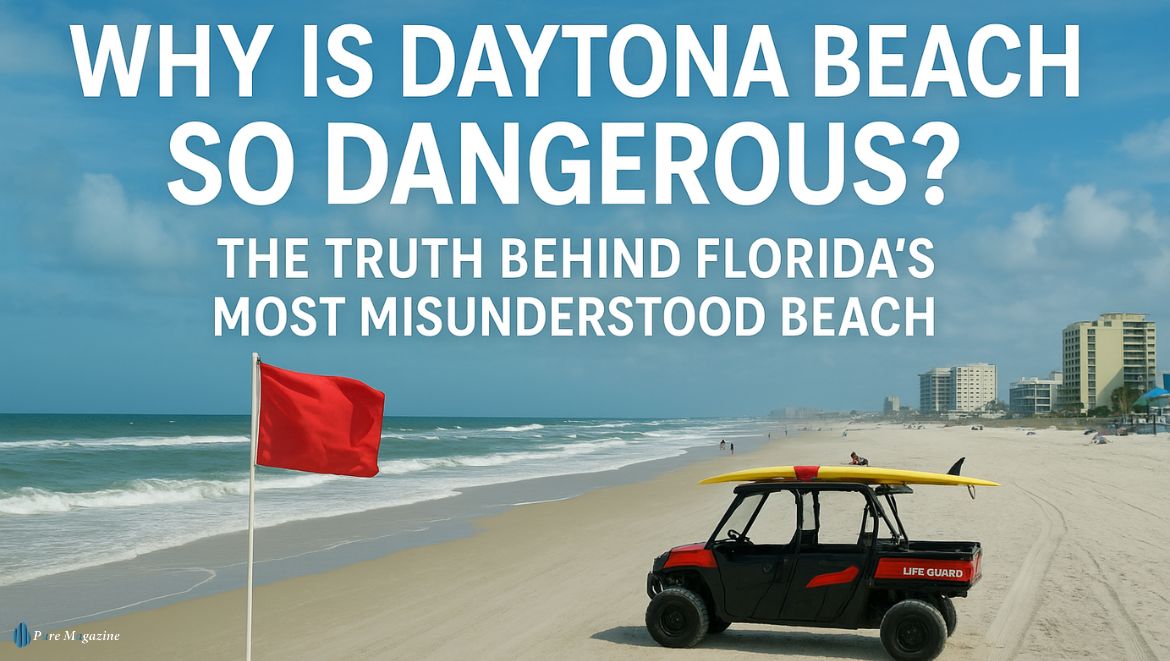
Daytona Beach — the name alone sparks images of endless sunshine, roaring engines, and college crowds spilling onto soft sand. But scroll through Reddit threads or Quora posts, and you’ll find a very different story: people warning others that “Daytona’s gotten rough.”
So, what’s real and what’s a rumor? Is Daytona Beach truly dangerous, or just unfairly labeled because of its wild past?
Let’s unpack the facts, explore the risks, and understand why this iconic destination has both a bold reputation and a loyal fan base that keeps coming back.
The Reputation Problem: From Paradise to “Perilous”
Daytona Beach sits along Florida’s Atlantic coast — a stretch famous for its surfable waves, wide drive-on beaches, and nightlife. Yet over the years, headlines about crime spikes, spring break chaos, and unpredictable ocean conditions have shaped a perception that Daytona is somehow unsafe.
But reputations, like tides, shift over time.
Local police and tourism boards argue that while Daytona once battled high crime rates in the early 2000s, today’s city has made “major strides” in policing, beach safety, and community programs. Still, statistics and real incidents can’t be ignored — so let’s look closer.
Crime Rates: The Numbers Behind the Noise
It’s true — Daytona Beach has historically ranked above the U.S. average for certain crimes.
According to the FBI’s Uniform Crime Reporting (UCR) data, the city’s violent crime rate has been higher than the national median for decades. Theft, property damage, and assault cases spiked during peak tourism seasons, especially in zones packed with bars and short-term rentals.
However, context matters.
Population vs. Tourist Density: Daytona Beach’s resident population hovers around 70,000, but it hosts over 10 million visitors annually. That skews statistics upward — incidents are counted within a small resident base, even when most involve visitors.
Recent Improvements: As of 2024, reported violent crimes have been trending downward, thanks to increased patrols and camera monitoring along the boardwalk and beachside districts.
Bottom line: Daytona Beach isn’t crime-free — few tourist hubs are — but its risks often look worse on paper than in reality.
Ocean Hazards: Nature’s Hidden Dangers
Beyond crime, Daytona Beach faces another kind of danger: the ocean itself.
The Atlantic coast can be unpredictable, and locals often warn newcomers about rip currents — narrow channels of water that pull swimmers away from shore. The Volusia County Beach Safety Division reports that rip currents cause most rescues and drownings in the region each year.
Here’s what makes Daytona particularly tricky:
- Shifting sandbars near the pier and inlet create powerful undercurrents.
- Strong winds and high surf can catch even confident swimmers off guard.
- Tourists unfamiliar with ocean swimming often underestimate how quickly conditions change.
Safety Tip: Always swim near lifeguard towers, avoid red-flag days, and learn how to escape a rip current — swim parallel to the shore, not directly against the pull.
Sharks, Jellyfish, and Marine Life
Let’s clear one myth: Daytona Beach isn’t overrun with sharks.
Yes, Volusia County has earned the tongue-in-cheek nickname “Shark Bite Capital of the World,” but the reality is less terrifying. Most incidents are minor bites from small blacktip sharks mistaking surfers’ feet for fish. In nearly every case, victims walk away with small injuries and a wild story to tell.
Statistically, your odds of being bitten by a shark in Daytona are 1 in 3.7 million.
You’re far more likely to get a sunburn.
What’s more common are jellyfish stings, especially after storms. Lifeguards typically post purple flags when stings are reported, so paying attention to signage can save you a lot of pain (and vinegar).
The Spring Break Chaos Factor
If Daytona Beach has a “dangerous” season, it’s Spring Break.
Every March, thousands of college students flood the coastline for parties, concerts, and beach events. That surge brings:
- Higher rates of petty theft and disorderly conduct.
- More DUI arrests.
- Overcrowded beaches and occasional fights in bar districts.
Police now enforce curfews and alcohol restrictions on the sand, which have significantly reduced mayhem in recent years. Still, visitors traveling during the spring months should expect a livelier, less family-friendly scene.
“Daytona isn’t dangerous — it’s just intense,” says one long-time hotel owner. “It’s about timing. Come in April or October, and it’s a completely different town.”
Road Safety and Driving on the Beach
One of Daytona’s most unique — and risky — traditions is driving directly on the beach.
While it’s part of the area’s charm, accidents do happen. Drivers unfamiliar with soft sand or speed limits occasionally cause injuries to pedestrians or other vehicles.
To reduce incidents, the city enforces:
- 10 mph beach speed limit
- Designated vehicle zones with marked lanes
- Strict alcohol bans for drivers
In short, it’s safe when done responsibly. But mix in distracted driving, crowds, or alcohol, and danger rises fast.
Homelessness and Local Perception
Many travelers cite the visibility of homelessness near the boardwalk and downtown area as part of Daytona’s “unsafe” feeling.
Economic inequality and high housing costs have made homelessness a visible issue, especially around beach parks and public restrooms. The city continues to invest in outreach and shelter programs, but for tourists unfamiliar with urban beach towns, the contrast can feel jarring.
This social challenge isn’t unique to Daytona — it’s part of a wider Florida coastal reality where tourism and poverty coexist in the same zip code.
Comparing Daytona to Other Florida Beaches
Let’s put things into perspective.
| Beach | Type of Risk | Crime/Incident Highlights | Safety Score (2025 est.)* |
|---|---|---|---|
| Daytona Beach | Crime + Rip Currents | Theft near nightlife, strong surf | 7/10 |
| Panama City Beach | Party Crime | Similar Spring Break issues | 6.5/10 |
| Miami Beach | Urban Crime | Scams, pickpocketing | 7.5/10 |
| Clearwater Beach | Water Hazards | Storm surges, jellyfish | 8.5/10 |
| New Smyrna Beach | Shark Activity | Minor bites annually | 7/10 |
*Unofficial composite based on public data and safety reviews.
So yes — Daytona carries risk, but it’s far from Florida’s “most dangerous beach.” Its danger often lies more in perception and timing than in daily reality.
What Daytona Is Doing to Stay Safer
The city isn’t ignoring its reputation. Recent initiatives include:
- Expanded surveillance and lighting along beachside promenades.
- Community policing focused on nightlife areas.
- Public safety campaigns on water awareness and rip current survival.
- Event management systems to monitor Spring Break crowds.
Even the Daytona Beach Police Department posts regular safety videos on social media, aiming to rebuild trust and show transparency.
The Tourist Experience: Then vs. Now
Ask any regular visitor, and they’ll tell you: Daytona today is not the Daytona of 2010.
New resorts, family attractions, and a growing retiree community have reshaped the city’s image.
Families come for motorsports at the Daytona International Speedway. Couples stroll the rebuilt pier. Retirees fill the beachfront condos in the off-season.
Danger hasn’t disappeared — but it’s being managed with intention.
Practical Safety Tips for Visitors
If you’re planning a trip, awareness is your best defense.
On the beach:
- Swim near lifeguards.
- Obey flag warnings.
- Don’t mix alcohol and swimming.
At night:
- Stick to well-lit areas.
- Avoid flashing valuables.
- Use rideshare apps over walking long distances.
On the road:
- Follow the beach speed limit.
- Park only in designated areas.
- Stay alert for pedestrians and kids.
Most problems arise when tourists underestimate local conditions or ignore simple precautions.
The Real Answer: Why Daytona Beach Seems So Dangerous
So why does Daytona Beach carry this “dangerous” label after all these years?
It’s partly history, partly media amplification, and partly the city’s dual identity — party hotspot meets family resort.
Yes, the risks are real: rip currents, small-town crime, over-partying crowds. But those same traits exist in almost every major beach destination, from Miami to Cancun.
The difference is that Daytona’s mix of affordability, nightlife, and fame amplifies every story — good or bad.
When you strip away the headlines, Daytona Beach is what it has always been: a thrilling, imperfect, and unforgettable slice of Florida’s coast.
FAQs
Q. Is Daytona Beach safe for tourists?
Yes — when basic precautions are followed. Crime rates are above average, but most visitors enjoy problem-free stays. Swim near lifeguards, lock valuables, and stay alert at night.
Q. What makes Daytona Beach dangerous?
Main risks include rip currents, petty theft in nightlife areas, and spring-break-related disturbances. Shark attacks are extremely rare and usually minor.
Q. Is Daytona Beach safe for families?
Absolutely — outside of Spring Break season, families find calm beaches, lifeguarded zones, and kid-friendly attractions.
Q. Why does Daytona Beach have a high crime rate?
Partly because visitor incidents inflate per-capita statistics. The city’s small population vs. high tourist numbers exaggerates its crime rate compared to larger metros.
Q. Is Daytona Beach safer now than before?
Yes. Since 2020, police presence, surveillance, and public safety programs have helped reduce violent crime and increase patrol visibility.
Final Thoughts: Daytona’s Dual Nature
Daytona Beach is both wild and wonderful — a place where adrenaline, history, and natural beauty meet.
It’s not the danger that defines it, but how visitors respond to it.
Respect the ocean, stay smart about your surroundings, and you’ll discover why millions still call Daytona their favorite beach in Florida — danger myths and all.
Visit: Pure Magazine