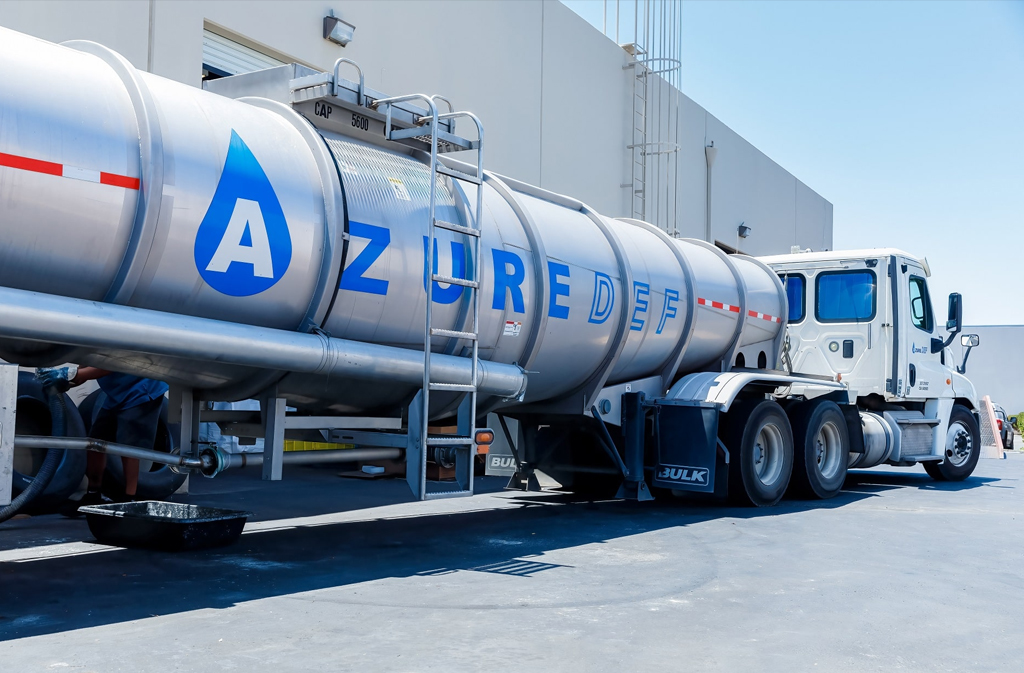
In today’s modern transportation and logistics sectors, efficiency and environmental compliance have become more than just goals—they are absolute necessities. The ongoing global shift toward cleaner emissions and greener operations has placed diesel exhaust fluid (DEF) at the forefront of sustainable fleet management. Whether for heavy-duty trucks, agricultural equipment, or industrial machinery, DEF plays an essential role in reducing nitrogen oxide (NOx) emissions and maintaining the optimal performance of diesel engines.
For companies operating large fleets or industrial operations, sourcing and managing DEF efficiently can significantly influence overall productivity and compliance. That’s where bulk diesel exhaust fluid solutions come into play. Instead of relying on small containers or frequent purchases, businesses are increasingly adopting bulk DEF systems that offer cost savings, operational ease, and environmental benefits.
This article delves into the importance of bulk DEF in modern fleet operations, explores its advantages, outlines storage and handling best practices, and explains why partnering with reliable bulk DEF delivery services can make a measurable difference in sustainability and profitability.
Understanding Diesel Exhaust Fluid and Its Purpose
Diesel exhaust fluid is a non-hazardous, colorless, and odorless solution composed of 32.5% high-purity urea and 67.5% deionized water. It is injected into the exhaust stream of diesel engines equipped with Selective Catalytic Reduction (SCR) systems. Inside the SCR catalyst, DEF reacts with nitrogen oxides to produce harmless nitrogen and water vapor—drastically reducing harmful emissions that contribute to air pollution.
The introduction of DEF was a direct response to stricter emissions regulations aimed at curbing NOx emissions from diesel-powered engines. As a result, DEF has become a staple across transportation, agriculture, marine, and industrial sectors. Every diesel engine manufactured after 2010 in North America—and similar timelines across other regions—requires DEF to comply with environmental standards.
However, managing DEF efficiently is not just about compliance. It’s about maximizing uptime, reducing costs, and ensuring uninterrupted operations. This is where bulk diesel exhaust fluid systems offer a game-changing solution.
Why Bulk Diesel Exhaust Fluid Is a Smart Choice
For small-scale operators, purchasing DEF in 2.5-gallon jugs or 55-gallon drums might seem convenient. But as fleet sizes grow, this approach becomes inefficient, costly, and wasteful. Bulk DEF storage and delivery systems allow businesses to purchase DEF in large quantities, typically in 275-gallon totes, 330-gallon containers, or even custom tanks ranging from 500 to 10,000 gallons and beyond.
Here are some compelling reasons why more companies are switching to bulk DEF:
- Cost Efficiency
Buying DEF in bulk reduces the per-gallon cost compared to smaller packaging options. It also minimizes delivery fees and helps avoid the hidden expenses associated with waste disposal and handling smaller containers. - Operational Convenience
Bulk DEF systems enable easy refilling of vehicles and equipment, reducing downtime and eliminating the hassle of handling multiple containers. With automated dispensing and monitoring systems, fleet managers can ensure that DEF levels remain optimal at all times. - Quality Control and Purity
DEF must meet ISO 22241 standards to ensure it works effectively in SCR systems. Bulk storage solutions, when properly maintained, preserve DEF quality by minimizing contamination risks from dust, oil, or other foreign substances that could damage engine components. - Environmental Sustainability
By eliminating single-use plastic containers and reducing transportation emissions associated with frequent small deliveries, bulk DEF systems contribute to a cleaner, more sustainable supply chain. - Scalability
As fleet operations expand, so can the DEF storage capacity. Bulk systems offer the flexibility to adapt to changing operational demands without major infrastructure changes.
The Role of Reliable Supply Partners
Even the most advanced DEF storage systems are only as good as the quality and consistency of the fluid they hold. Contaminated or substandard DEF can lead to costly engine repairs, downtime, and compliance issues. Therefore, choosing reliable bulk DEF delivery services is a critical part of any fleet’s operational strategy.
Partnering with a trusted DEF supplier ensures not only timely delivery but also the assurance that every drop of DEF meets purity and quality standards. Reputable suppliers maintain strict handling protocols, use dedicated DEF transport equipment, and provide certificates of analysis to verify product integrity.
When businesses align with reliable bulk DEF delivery services, they gain more than just a supplier—they gain a partner dedicated to their operational continuity and environmental responsibility. This partnership minimizes supply disruptions, supports predictive inventory management, and helps reduce overall fuel-related costs.
Storage and Handling Best Practices for Bulk DEF
Bulk DEF requires proper handling and storage to maintain its purity and effectiveness. Here are several best practices for ensuring long-term quality and operational reliability:
- Temperature Management
DEF freezes at 12°F (-11°C), but this does not affect its performance once thawed. However, prolonged exposure to high temperatures (above 86°F or 30°C) can cause urea degradation. Storage tanks should be kept in temperature-controlled or shaded areas whenever possible. - Material Compatibility
Use storage tanks, fittings, and hoses made of compatible materials such as high-density polyethylene (HDPE) or stainless steel. Avoid metals like copper, zinc, or carbon steel, as these can contaminate the fluid. - Avoiding Contamination
Ensure DEF dispensing equipment is used exclusively for DEF. Even minor contamination with fuel, oil, or water can damage SCR systems and void warranties. - Regular Testing and Monitoring
Periodic testing helps confirm DEF concentration and purity levels. Advanced DEF management systems now include electronic sensors that monitor fluid quality and tank levels in real-time. - Labeling and Safety Measures
DEF should be clearly labeled and stored separately from other automotive fluids. Although non-toxic, proper handling and labeling reduce the risk of accidental misuse or spills.
The Environmental and Economic Impact of Bulk DEF
The environmental advantages of bulk DEF extend far beyond emissions reduction. By reducing packaging waste and transportation frequency, organizations contribute to lowering their carbon footprint. This aligns with broader sustainability initiatives and demonstrates corporate responsibility—an increasingly important factor for customers, investors, and regulators.
From an economic standpoint, adopting a bulk DEF strategy leads to measurable cost savings. Companies can negotiate better pricing, minimize logistical inefficiencies, and reduce the administrative burden associated with frequent reordering. Additionally, the improved engine efficiency resulting from consistent DEF quality can lead to better fuel economy, extending the lifespan of expensive diesel equipment.
Technological Innovations in DEF Management
As technology continues to advance, so too does the way businesses manage their DEF supply. Automated dispensing systems, telematics integration, and smart monitoring software have transformed how fleets track and control their DEF consumption.
For instance, IoT-enabled DEF tanks allow fleet managers to monitor fluid levels remotely and receive automatic alerts when refills are needed. Predictive analytics can even forecast consumption based on engine hours or mileage, allowing proactive scheduling of reliable bulk DEF delivery services to avoid downtime.
Furthermore, sustainable refilling methods—such as on-site mobile refueling units—have reduced the need for manual handling, ensuring consistency and precision while improving safety standards.
Common Challenges and How to Overcome Them
Despite its many advantages, managing bulk DEF presents certain challenges that businesses should be aware of:
- Contamination Risks: Using improper storage materials or mixing DEF with other fluids can cause severe damage to SCR systems.
- Temperature Sensitivity: Extreme weather can affect DEF quality, requiring temperature-controlled storage solutions.
- Inventory Oversight: Without proper monitoring, DEF shortages or overstocking can disrupt operations.
The key to overcoming these challenges lies in preventive management, quality assurance, and partnering with experienced suppliers who offer end-to-end DEF solutions.
Conclusion: Building a Cleaner and More Efficient Future
Bulk diesel exhaust fluid has become an indispensable part of modern fleet management, balancing operational efficiency with environmental responsibility. Its ability to support emissions compliance, reduce waste, and streamline operations makes it a cornerstone of sustainable transportation strategies.
As diesel engines continue to play a vital role in logistics, construction, and agriculture, the demand for high-quality DEF will only grow. Companies that invest in bulk DEF systems today are not only optimizing their current operations but also preparing for a cleaner, more sustainable future.
Ultimately, the success of any DEF management program depends on product quality, reliable supply, and proper handling. By partnering with reliable bulk DEF delivery services, businesses ensure that their fleets remain compliant, efficient, and ready to meet the environmental challenges of tomorrow. The path toward greener operations begins with smart decisions—and bulk DEF is one of the smartest investments a fleet can make.
Visit our Website: Pure Magazine