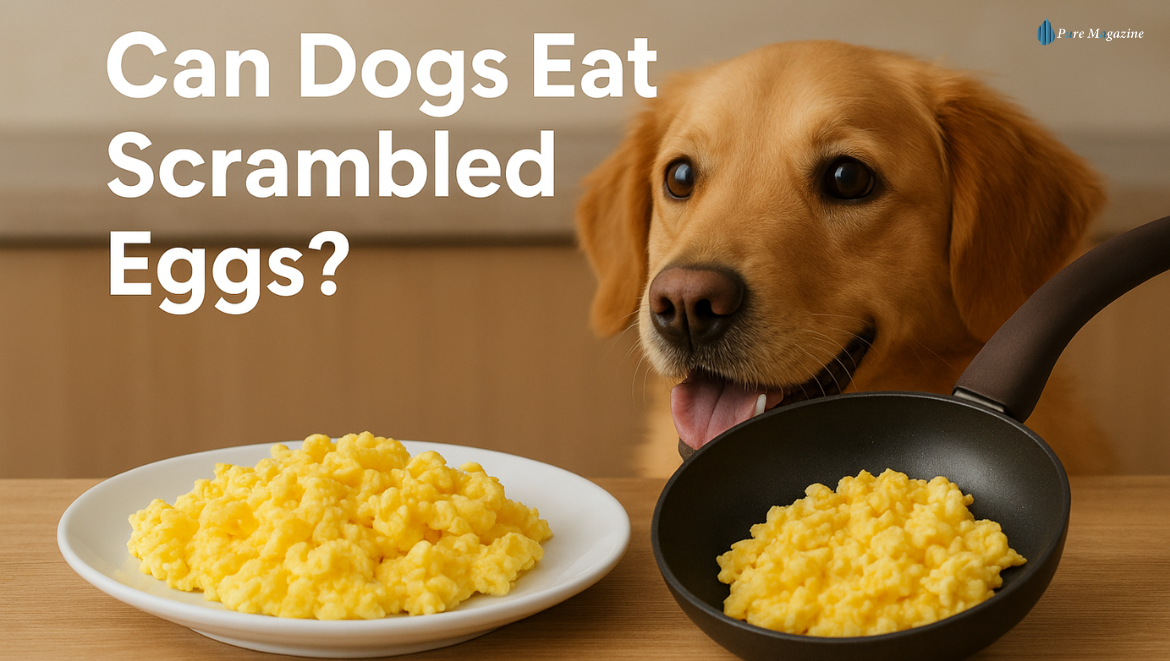
So, picture this: it’s Saturday morning, eggs are sizzling in the pan, and my dog — yeah, that furry little tornado under my feet—is staring at me like I’m the best chef in the world. Tail wagging, eyes huge. You know the look. The “please, I’ll do anything, just give me some” look. And I’m thinking… hmm… scrambled eggs. Can I even give her some?
The short answer is: yes. But, and I can’t stress this enough, it’s not as simple as tossing her a bite. How you cook them, how much you give, and how often… all that matters. Do it right, it’s basically a tiny treat of heaven. Do it wrong… well, you might be scrubbing the floor later.
Are Scrambled Eggs Actually Safe for Dogs?
Alright, straight talk: plain, cooked scrambled eggs are generally safe. No butter, no oil, no salt, no herbs, no cheese. Just eggs. That’s it. Your dog doesn’t need all the fancy stuff we humans love. Honestly, they barely care—they just like the smell.
Raw eggs? Not so much. Yeah, some people swear by them, but there’s bacteria risk (Salmonella, E. coli) and that weird thing called avidin in raw egg whites that messes with biotin absorption. Cooked eggs = problem solved.
Most dogs handle a little scrambled egg now and then without issue. But the first time? Always keep an eye out. You never know.
Why Scrambled Eggs Can Be Awesome
Eggs are basically little nutritional bombs. Don’t underestimate them. They have protein, vitamins, and some extra stuff that helps dogs in ways you wouldn’t expect.
Protein That Actually Does Something
Dogs need protein. And eggs? Full amino acid profile, all digestible, super handy. Active dogs, pups growing like weeds, older dogs losing a bit of muscle — a little scrambled egg helps.
Daisy, my 10-year-old furball, gets a tiny scrambled egg 2–3 times a week. She perks up, seems a little more playful, and honestly… her coat looks better. Crazy how something so simple can help.
Vitamins and Nutrients
Eggs aren’t just protein. They’re full of:
- Vitamin A and B12 — energy and immune support
- Biotin, riboflavin — keeps that coat shiny
- Omega-3 fats — brain and joint health
- Lutein and zeaxanthin — eyes!
I wasn’t expecting miracles, but after a few weeks, Daisy’s coat looked glossier. She also seemed genuinely more excited for breakfast. Little things, but noticeable if you actually pay attention.
Gentle on the Tummy
Sensitive stomach? Eggs are gentle. Easy to digest. My friend’s dog had a mild tummy upset once; plain scrambled eggs got him eating normally again, no drama.
How to Feed Your Dog Scrambled Eggs
Here’s where people go wrong. It’s easy to overdo it or throw in “extras” your dog doesn’t need.
Keep It Simple
Plain eggs = perfect. No butter, oil, cheese, milk, or seasoning. Dogs literally don’t care. The smell alone is enough.
People ask, “Can dogs eat scrambled eggs with cheese or milk?” My advice: skip it. Unnecessary and could upset their tummy. Plain eggs do the job.
How Much Is Enough?
Here’s my casual guideline:
| Dog Size | Serving | Frequency |
|---|---|---|
| Small (<20 lbs) | ½ egg | 2–3 times/week |
| Medium (20–50 lbs) | 1 egg | 2–3 times/week |
| Large (>50 lbs) | 1–2 eggs | 2–3 times/week |
Treat, not a meal. The 10% rule works: treats should be <10% of daily calories. Too much egg = weight gain or loose stool.
Lesson learned: I gave Daisy a whole egg once… big mistake. Half an egg? Perfect.
When Eggs Might Not Be the Best Idea
Not every dog should be chomping eggs.
Egg Allergies
Yep, some dogs are allergic. Signs: itchy skin, ear infections, vomiting, diarrhea. Stop immediately if it happens. Vet check is a good idea.
Health Considerations
Dogs with pancreatitis, obesity, or special diets? Be cautious. Eggs have fat, so too many can be harmful. Puppies can have small amounts, but eggs shouldn’t replace proper food.
Cooked vs. Raw Eggs
Raw eggs, “natural,” sure. But honestly? Cooked is safer.
- Easier to digest
- No Salmonella risk
- Biotin absorption works (avidin neutralized)
Eggshells? Only if you want extra calcium. Otherwise, focus on the egg itself.
Fun Ways to Serve Scrambled Eggs
Scrambled eggs don’t have to be boring:
- Mix with kibble for picky eaters
- Cut small for training treats
- Add to bland diets after minor stomach issues
- Freeze tiny portions as “egg pupsicles”
Max, my older dog, lost a bit of muscle as he aged. Eggs twice a week helped him maintain strength. He loved it. Every. Single. Bite.
FAQs
Q. Can dogs eat scrambled eggs every day?
Dogs can eat scrambled eggs, but moderation is important. Feeding them 2–3 times per week is usually safe. Daily servings may lead to extra calories, weight gain, or upset stomach, so keep eggs as a treat rather than a meal replacement.
Q. Are boiled eggs better than scrambled eggs for dogs?
Both boiled and scrambled eggs are nutritionally similar for dogs. Boiled eggs are convenient and mess-free, while scrambled eggs are easier to mix into kibble or soft food. Choose the method that works best for your dog’s preferences and your routine.
Q. What happens if a dog eats scrambled eggs left out overnight?
Never feed your dog scrambled eggs that have been left out. Spoiled eggs can cause vomiting, diarrhea, or food poisoning. Always throw away old eggs and watch for symptoms. If your dog shows signs of illness, contact your vet immediately.
Bottom Line
Scrambled eggs = safe, nutritious, and loved by most pups — if done right.
- Plain and cooked
- Portion by size
- Treat, not meal replacement
- Skip raw eggs
Next time you’re cooking breakfast and your dog’s tail is thumping at your feet, give a small taste. Safe, healthy, and full of love. Sometimes the simplest treats really are the best.
Visit: Pure Magazine